

In today's fast-evolving economic landscape, the importance of local businesses cannot be overstated. They are the backbone of our communities, providing jobs, services, and a sense of identity. Nevertheless, for many small enterprises, achieving visibility can be an substantial challenge. This is where business directories come into play, serving as essential tools that help link consumers with local businesses. In Alabama, directories that feature listings of businesses registered with the Alabama state corporation prove to be crucial for enhancing community engagement and promoting local commerce.
Thanks to resources like Alabama state filings and Alabama business directories, entrepreneurs can effectively display their services and reach a wider audience. Such directories not only assist customers in finding nearby businesses but also encourage a sense of community by highlighting the diverse offerings within the region. As local enterprises and other entities strive to support local economies, business directories emerge as vital resources that foster connections, stimulate growth, and strengthen relationships among residents and businesses alike.
Summary of Alabama Corporate Corporations
Alabama has a dynamic business ecosystem supported by its state corporations, which play a important role in the regional economy. These entities are registered with the Secretary of State of Alabama and must adhere with various regulations to operate lawfully. The procedure of establishing a business entity in Alabama is straightforward, making it accessible for entrepreneurs looking to establish a footprint in the state.
The state corporation structure in the state of Alabama allows for multiple types, including corporations, LLCs, and partnership entities. Each entity has its own set of criteria and advantages, addressing different entrepreneurial needs and goals. Alabama's beneficial business climate, combined with tax incentives and infrastructure supporting commerce, encourages both in-state and out-of-state entrepreneurs to establish their businesses here.
Business directories in Alabama serve as a valuable resource for these corporations. They not just provide necessary information about business registrations but also help connect clients with community services. By listing their details in an Alabama business directory, corporations can enhance their exposure, attract potential clients, and contribute to the overall growth of the local economy. This linkage between businesses and the local community highlights the importance of maintaining an current and comprehensive business directory.
Significance of Alabama Filings
Alabama state filings play a crucial role in the creation and management of businesses within the region. Such submissions ensure that businesses comply with the legal framework and maintain openness in their business activities. By enrolling their company with the Alabama Secretary of State, founders gain access to important tools and protections that help them navigate the complexities of legality. This process legitimizes the company and fosters credibility among future clients and associates.
Additionally, appropriate submissions are vital for the prosperity of areas. When businesses are registered in Alabama, they contribute to a extensive database that can be accessed by different parties, including potential investors, consumers, and city officials. ca sos fictitious business name search creates a vivid picture of the region's economy, helping to identify possibilities for expansion and partnership. Additionally, a properly organized directory of registered businesses enhances the visibility of neighborhood businesses, making it more convenient for locals to find and help neighborhood services and items.
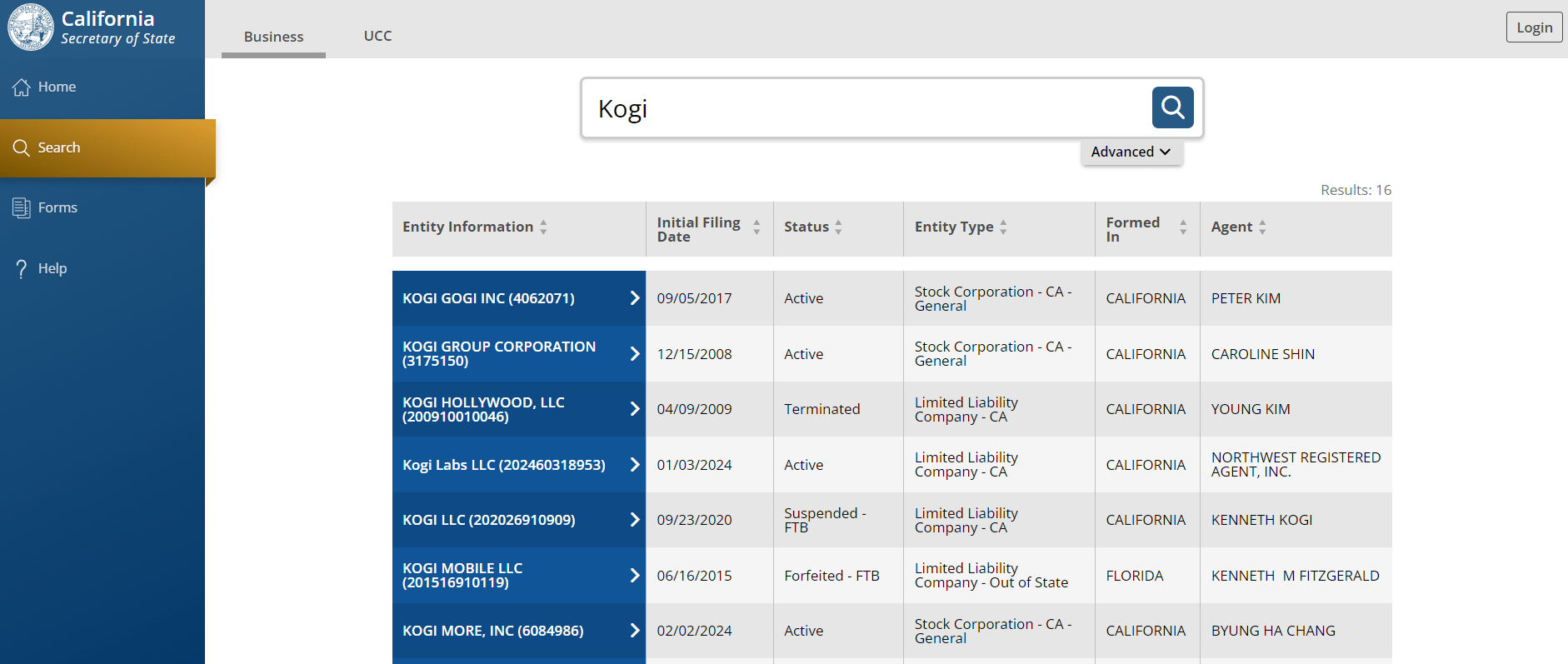
Moreover, Alabama filings also serve as a foundation for many additional procedures, such as obtaining licenses and approvals. Without accurate filings, companies might face legal challenges that could hinder their funciton. This highlights the importance of knowing and finalizing the necessary filings, as they are foundational to ensuring continuity and stability in the community economy. By following these standards, entrepreneurs not only obey legal mandates but also enhance to the vitality of their localities.
Types of Alabama Corporations
The state of Alabama offers multiple types of corporations to meet different business requirements and goals. The most common type is the C Corporation, which allows for boundless growth potential through the sale of stock. This structure offers protection from personal liability, meaning that the personal assets of shareholders are safeguarded from business debts or legal actions. C Corporations are subject to corporate income tax, and shareholders pay taxes on dividends, which is known as double taxation.
A different prevalent structure is the S Corporation, which is tailored for small businesses that seek the benefits of a corporation while avoiding double taxation. In an S Corporation, income, deductions, and credits pass through to shareholders, who report them on their personal tax returns. This structure is restricted to 100 shareholders and requires rigorous compliance with certain IRS regulations concerning eligibility.
Finally, Alabama also acknowledges Limited Liability Companies (LLCs), which mingle the flexibility of a partnership with the liability protection of a corporation. LLCs enable owners, known as members, to operate the business without jeopardizing personal assets. Additionally, LLCs can choose how they would like to be taxed, either as a corporation or as a pass-through entity, which makes them an enticing option for numerous new and small business owners in Alabama. Perks of a Local Alabama Business Directory
A regional Alabama business directory functions as a crucial resource for localities by connecting citizens with nearby businesses. This accessibility fosters economic growth as local consumers can easily find services available by their local businesses. When residents support community businesses, it keeps money flowing, helping to create work and boost further community investments.
Another significant perk is the enhancement of visibility for small and medium-sized enterprises that might potentially be missed. In a competitive market, a local business directory provides these companies with a venue to present their offerings, distribute essential information, and emphasize unique features. This enhanced visibility not only draws potential customers but also encourages collaboration among local businesses, strengthening the overall business ecosystem.
Moreover, a business directory can function as an important tool for community engagement. By showcasing local events, promotions, and community initiatives, it encourages a sense of belonging and invites residents to participate in local affairs. This bond between businesses and the community leads to enhanced trust and loyalty, creating a more lively local economy that yields gains for everyone involved.
Influence on Local Economies
Commercial lists play a crucial role in fostering community economics by providing a space for local businesses to connect with their neighborhood. In the state of Alabama, for instance, an arranged business directory can help community enterprises connect with potential clients who prioritize shopping within their own communities. This bond not only sustains local businesses but also keeps money flowing within the community, bolstering the economic foundation of the area.
Moreover, access to an Alabama business directory helps entrepreneurs manage essential processes such as Alabama state filings and compliance with rules. This ease of access to essential information reduces obstacles for new business ventures, inspiring individuals to start their businesses. Increased entrepreneurial activity results to employment creation, which has a favorable ripple effect on the local economy, contributing to decreased unemployment rates and greater community engagement.
In conclusion, as businesses become more interconnected through online directories, collaboration opportunities arise. Local businesses can work together to promote events or exchange resources, creating a vibrant support network. This collaboration not only amplifies their individual marketing efforts but also enhances the overall appeal of the community. As consumers see their local businesses prospering, it instills a sense of achievement and fosters further investment in the local economy, strengthening the community's economic durability.